Online Safety 101: What Every Girl in Kenya Should Know
The digital world — full of opportunity, but also real risks
12/2/20253 min read
From WhatsApp groups to TikTok dances, online classes to Instagram storytelling, digital spaces offer girls incredible opportunities to learn, connect, express themselves, and build community.
But just like any public space, the online world also comes with risks — especially for girls and young women.
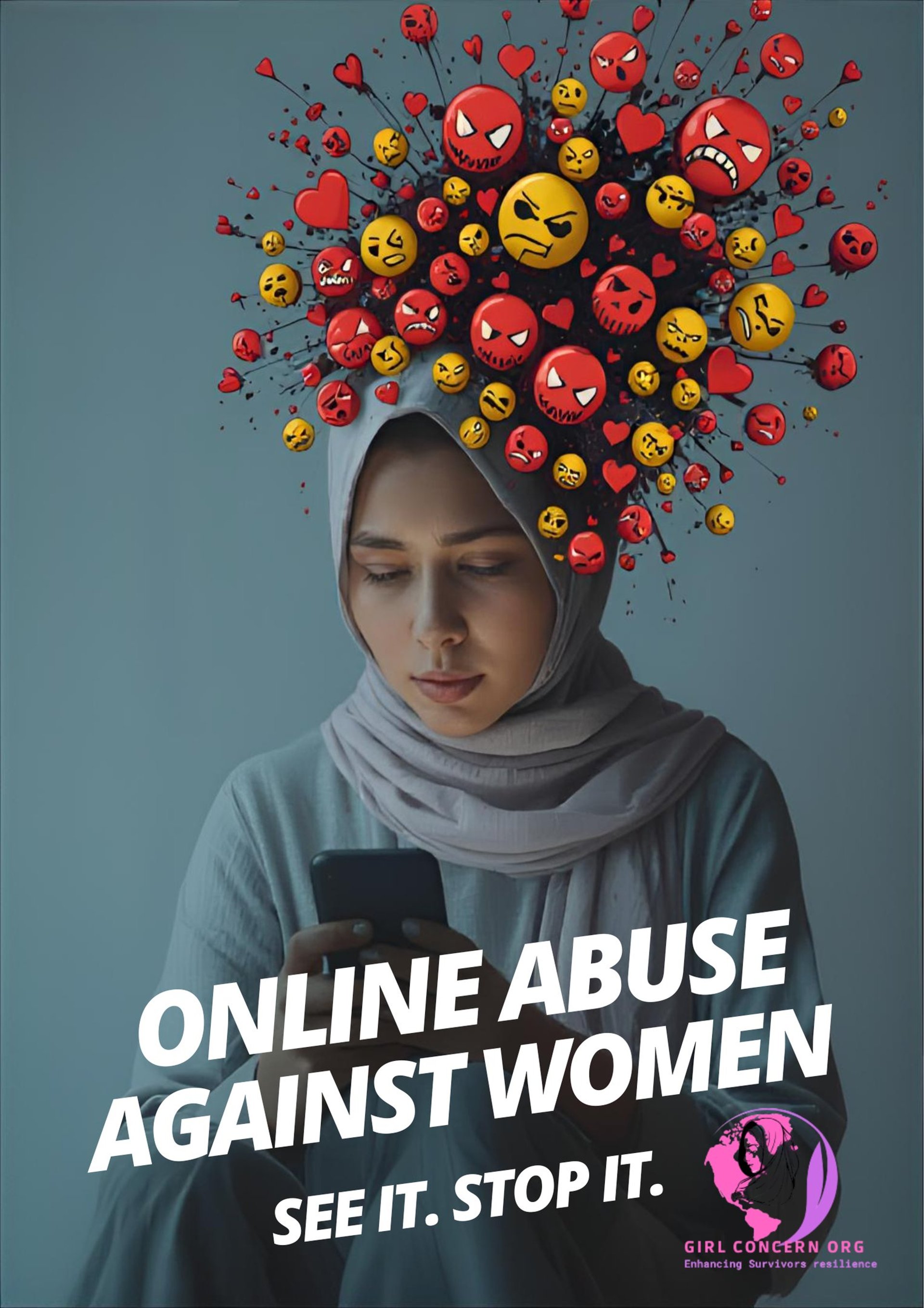
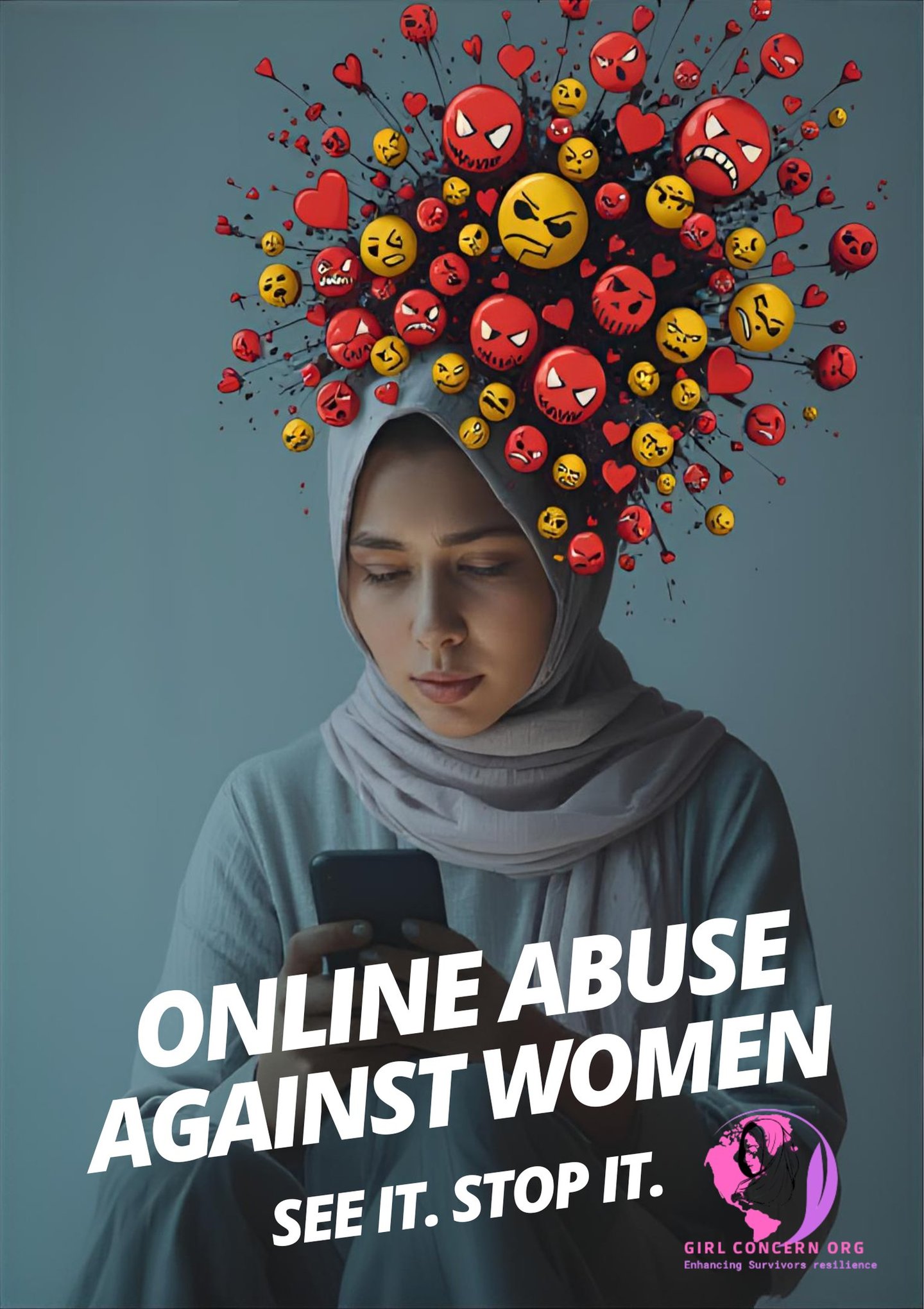
Across Kenya and globally, more girls are reporting cyberbullying, online harassment, impersonation, stalking, and the non-consensual sharing of intimate images. What happens online can cause deep emotional harm and, at times, spill into real-life danger.
But knowledge is power. Understanding online risks and knowing how to protect yourself helps you enjoy the digital world safely and confidently.
What does online violence look like?
Online violence takes many forms. Some are obvious, others more subtle — but all are harmful.
1. Cyberbullying and harassment
This includes insults, hateful comments, body-shaming, threats, or repeated unwanted messages. It can happen in social media comments, inboxes, WhatsApp groups, or school forums.
2. Non-consensual sharing of images
This includes sharing private photos without permission, threatening to leak images (sextortion), or creating manipulated “deepfake” photos to shame or humiliate a girl.
3. Online stalking and monitoring
Someone may repeatedly check your posts, track your movements through what you share, or pressure you to send your location, passwords, or private details. This is often disguised as “care” or “concern.”
4. Impersonation and identity theft
Fake accounts may be created using your photos or name to embarrass you, scam others, or spread harmful information.
5. Grooming and manipulation
This often targets younger girls: someone pretends to be a friend, admirer, or helper, then slowly manipulates you into sharing personal information, private photos, or meeting in person.
Online violence is real violence. The impact is just as serious.
Why it matters: The real impact on girls
Emotional harm
Online abuse can lead to anxiety, shame, fear, depression, or isolation. Many girls withdraw from social media or even from school because of online harassment.
Damage to reputation or opportunities
Non-consensual images, fake accounts, or harmful rumours can affect relationships, school life, or future opportunities.
Fear and insecurity
Online stalking, threats, or doxxing (sharing private information) can make girls feel unsafe even offline.
Increased risk of physical violence
Sometimes online manipulation or grooming leads to dangerous real-world encounters.
Online harm doesn’t stay online. Its effects are long-lasting — and no girl should have to face them alone.
How girls can protect themselves online
You should never have to change who you are to stay safe — but you can take practical steps to protect your digital space.
1. Strengthen your privacy
Use strong passwords that are hard to guess.
Turn on two-factor authentication for all major platforms.
Keep your phone and apps updated to prevent security breaches.
Review your privacy settings regularly to control who sees your posts and personal info.
2. Be smart about sharing
Avoid posting details like your school, home location, daily routine, or personal documents.
Think twice before sharing photos — especially images that could be misused.
Be cautious about accepting friend requests from strangers or people with unclear profiles.
3. Know how to block, report and filter
Learn where block, mute and report tools are located on your apps.
Remove people who make you uncomfortable — this is your space.
Keep evidence (screenshots, messages) if you experience abuse.
4. Protect your mental space
Take breaks from apps when you feel overwhelmed.
Curate your feeds — follow pages that uplift you, not those that hurt you.
Lean on trusted friends, mentors, or family when something feels wrong.
What to do if online abuse happens to you
No girl should suffer in silence. If someone harms you online:
1. Do NOT respond to the abuser
Responding can escalate the situation or give them what they want.
2. Save evidence
Take screenshots, record usernames, dates, messages, and links. Evidence matters.
3. Block and report immediately
Use platform tools to stop their access to your page or inbox.
4. Tell someone you trust
Whether it’s a friend, sister, teacher, or mentor — sharing the experience helps you get support.
5. Seek help from organizations that understand digital safety
Many community-based groups, including Girl Concern, support girls facing cyberbullying, grooming, or digital abuse. You are not alone.
6. If you feel physically unsafe, act quickly
Report threats, stalking or blackmail to someone you trust or to appropriate local authorities.
Building safer digital spaces — together
Online safety is not just an individual responsibility — it’s a community effort.
Girls deserve digital spaces that are safe, respectful, and empowering. When parents, schools, communities, and organizations understand online violence and support girls, the digital world becomes a place of opportunity rather than fear.
At Girl Concern, we believe every girl has the right to express herself, learn, and connect online without fear of violence.
A safer internet is possible — and it starts with awareness, solidarity, and action.